

Visual Identity in Action: How Custom Signs, Brochure Printing, and Workwear Shape Business Communication
- Flag Banner Online
- Dec 15, 2025
- 3 min read

Every business needs clear ways to communicate with people. From the sign outside a shop to the printed material inside and the clothing worn by staff, visual elements help build recognition and trust. Three important tools used by businesses are custom signs, brochure printing, and workwear. Each of these supports communication in a different way and plays a role in shaping how a brand is seen.
What Are Custom Signs?
Custom signs are specially designed signs created to match a business’s name, style, and message. Unlike general signs, custom signs are made to fit specific locations and branding needs. They can be used indoors or outdoors and come in many shapes and sizes.
Where Custom Signs Are Used
You often see custom signs on shop fronts, inside offices, at reception areas, and at event locations. These signs display business names, logos, directions, or important information. Because they are designed to match the brand, they help create a strong and professional image.
Custom signs guide people, welcome visitors, and clearly show who the business is. They make spaces easier to understand and more inviting.
Visual Identity Through Custom Signs
The main purpose of custom signs is to reflect identity. Colours, fonts, and layouts are chosen carefully so the sign matches the brand’s look. This consistency helps people recognise the business quickly.

Understanding Brochure Printing
Brochure printing involves creating folded or multi-page printed documents that share detailed information. Brochures are often used to explain services, products, or company stories in an organised way.
Common Uses of Brochure Printing
You often find brochure printing used in offices, exhibitions, clinics, schools, and retail spaces. Brochures are placed on counters, handed to visitors, or included in information packs. They allow people to read at their own pace and understand details clearly.
Because brochures have multiple sections, they help break information into smaller, easy-to-read parts. This makes them suitable for explaining topics that need more than just a few words.
Structure and Clarity in Brochures
Brochure printing supports clear layouts with headings, images, and short paragraphs. This structure helps readers follow the content without feeling overwhelmed. A well-printed brochure feels neat and professional.

What Is Workwear?
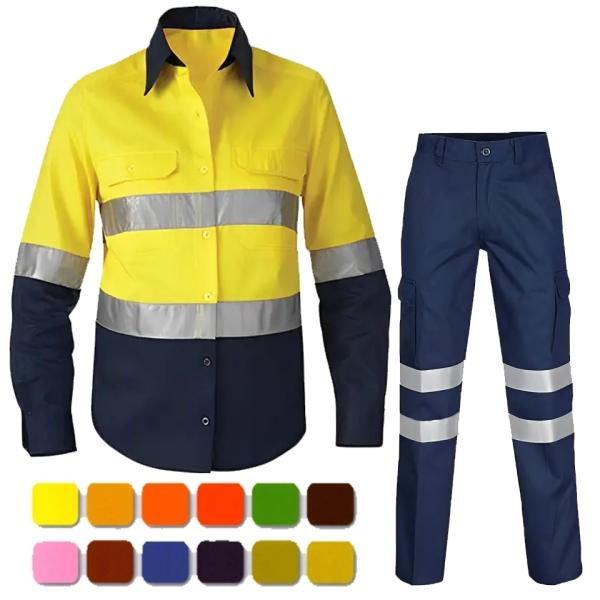
Workwear refers to clothing worn by employees while they are at work. This includes shirts, jackets, uniforms, and safety clothing. Workwear is often designed to match a company’s brand and create a consistent appearance among staff.
Purpose of Workwear in Businesses
Businesses use workwear to help staff look professional and easily identifiable. When employees wear similar clothing, customers can quickly recognise who works there. This is helpful in shops, offices, construction sites, and service industries.
Workwear also supports teamwork and unity. Wearing the same clothing helps staff feel part of the same group.
Visual Impact of Workwear
The design of workwear often includes company colours, logos, or names. This turns clothing into a moving brand display. As staff move around, the brand becomes visible to many people throughout the day.
How These Elements Support Communication
Custom signs, brochure printing, and workwear all communicate messages without spoken words. Signs show direction and identity. Brochures explain information. Workwear shows professionalism and unity.
Each element works in a different way, but all help businesses connect with customers clearly and confidently.
Importance of Clear and Consistent Branding
Consistency helps people remember a brand. When signs, printed materials, and clothing follow the same style, the business looks organised and trustworthy.
Custom signs introduce the brand. Brochure printing explains the brand. Workwear represents the brand in daily interactions. Together, they create a complete visual experience.
Continued Use of Physical Branding Tools
Even in a digital age, physical branding tools remain important. People still notice signs, read brochures, and interact with staff in person. These experiences leave lasting impressions.
Businesses continue to invest in custom signs to stand out. Brochure printing remains useful for sharing detailed information. Workwear continues to support professional appearance and recognition.
Everyday Presence of Business Branding
From walking past a store to visiting an office, people encounter business branding every day. Signs guide them, brochures inform them, and staff clothing helps them feel comfortable and supported.
These simple visual tools shape how people experience a business, often without them even realising it.
Conclusion
Visual communication plays a major role in how businesses are understood and remembered. Custom signs, brochure printing, and workwear each support branding and communication in unique ways. By using clear visuals, organised information, and professional clothing, businesses can create strong connections with their audience.
Understanding these tools helps explain why they continue to be important in everyday business environments.


Comments